The Shadow Brokers of the Stalls: How Ticket Scalpers Conquered Broadway's Most Coveted Seats
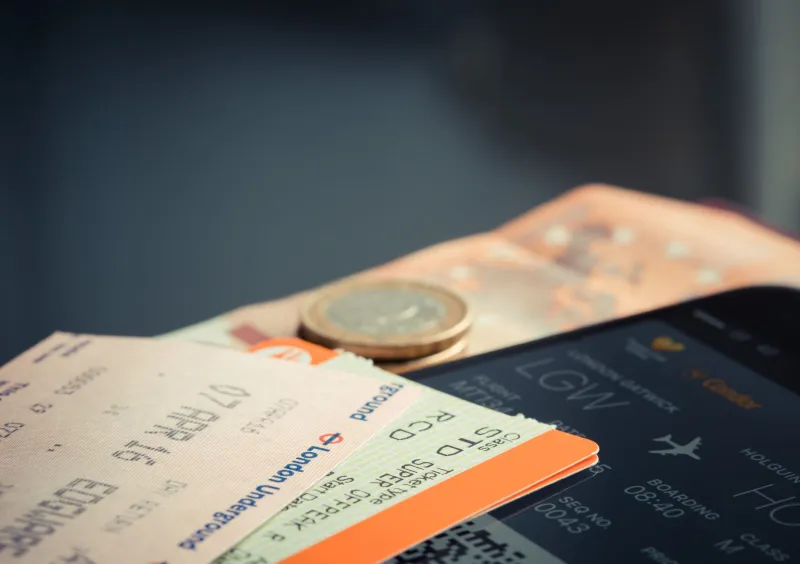
At precisely the moment a Broadway production releases its general on-sale inventory, something remarkable occurs in the digital ether above West 44th Street. Before most theater enthusiasts have refreshed their browsers, automated purchasing systems have already swept through available seat allocations with algorithmic precision, redirecting thousands of tickets toward a secondary marketplace where prices bear little resemblance to their face value. By the time a family in suburban Ohio logs on hoping to purchase orchestra seats for a holiday visit to New York, they may find that the only available options are listed at three, four, or five times the original price — on platforms that the theater itself neither controls nor profits from.
This is not a glitch. It is a market.
The Architecture of Extraction
The mechanics of Broadway's secondary ticket economy are simultaneously mundane and extraordinary. At their most basic, they involve the deployment of bots — automated software programs designed to circumvent the purchasing limits and CAPTCHA verifications that primary ticketing platforms use to simulate fair access. These programs can execute hundreds of simultaneous transactions in the seconds following an on-sale announcement, acquiring inventory at face value before redistributing it through resale platforms at a substantial premium.
The sophistication of these operations has increased markedly over the past decade. What was once a cottage industry of individual speculators working with rudimentary tools has matured into a segmented market with distinct tiers of operators. At the apex sit well-capitalized resellers who invest in proprietary technology, maintain networks of accounts across multiple purchasing platforms, and employ staff dedicated to monitoring Broadway's release calendar with the attention of seasoned investors tracking an exchange.
"These are not people standing outside the Shubert with a fistful of tickets," explains one industry consultant who has advised multiple Broadway producers on ticketing strategy. "They are operating businesses with overhead, employees, and margin targets. The street scalper has been replaced by something that looks, from the outside, almost indistinguishable from a legitimate commercial enterprise."
The Nobility of the Nosebleed Premium
The consequences for ordinary theatergoers are not abstract. A premium orchestra seat for a major Broadway musical may carry a face value of three hundred dollars — itself a figure that strains the budgets of many American families. On secondary platforms, that same seat during peak demand can list for eight hundred, twelve hundred, or in the case of culturally significant productions, several thousand dollars. The economic barrier to participation in what theater advocates frequently describe as a democratic art form has never been higher.
This dynamic has produced what some observers characterize as a de facto stratification of Broadway's audience — a tiered system in which those with the financial means to absorb secondary market premiums attend at will, while everyone else is relegated to lottery systems, rush tickets, and the hope that a production will still be running when prices eventually soften.
"We talk about Broadway as a communal experience, as something that belongs to everyone," says one advocacy organization director focused on arts access. "But when the secondary market captures a significant portion of available inventory for top shows, you've effectively created a velvet rope around the art. The theater becomes a luxury destination by default rather than by design."
What Theaters Are — and Are Not — Doing
The industry's response to secondary market dominance has been uneven. Some producers and venues have adopted dynamic pricing models that allow face values to fluctuate based on demand, effectively competing with the secondary market by capturing more of the premium themselves. Others have experimented with paperless ticketing systems tied to the original purchaser's identity, limiting the transferability of tickets and making resale logistically more difficult.
These measures have produced mixed results. Dynamic pricing, while financially rational for producers, draws its own criticism for placing the same burden on consumers that scalpers do — simply with the theater's name attached. Paperless systems create accessibility challenges for older audiences and those without smartphones. And the most sophisticated resellers have proven adept at adapting to new verification environments.
Legislative efforts have also proceeded haltingly. New York State's BOTS Act, passed in 2016, prohibits the use of automated purchasing software to acquire tickets in excess of posted limits — but enforcement has been sporadic, and the penalties available to regulators have proven insufficient to deter well-resourced operators whose profits far exceed the risk of occasional fines.
The Market That Mirrors the Culture
There is a certain grim coherence to the secondary ticket economy's dominance of Broadway. A cultural institution celebrated for its grandeur and exclusivity has, through structural inattention and regulatory timidity, allowed the market to formalize what was once merely implied: that access to the finest theatrical experiences in America is most reliably obtained by those with the most capital.
For the theater world, which frequently positions itself as a counterweight to commercial culture's worst impulses, this is an uncomfortable truth. The scalper does not create the premium — the premium exists because the art is genuinely valuable and demand genuinely exceeds supply. The secondary market is, in a sense, the theater's own success turned against it.
Until the industry develops mechanisms capable of matching that success with equitable access, the shadow brokers of the stalls will continue to reign — invisible, efficient, and entirely unbothered by the curtain calls they never attend.