Throne Rooms Reimagined: The Rise of Ultra-Premium Seating Inside America's Finest Theaters
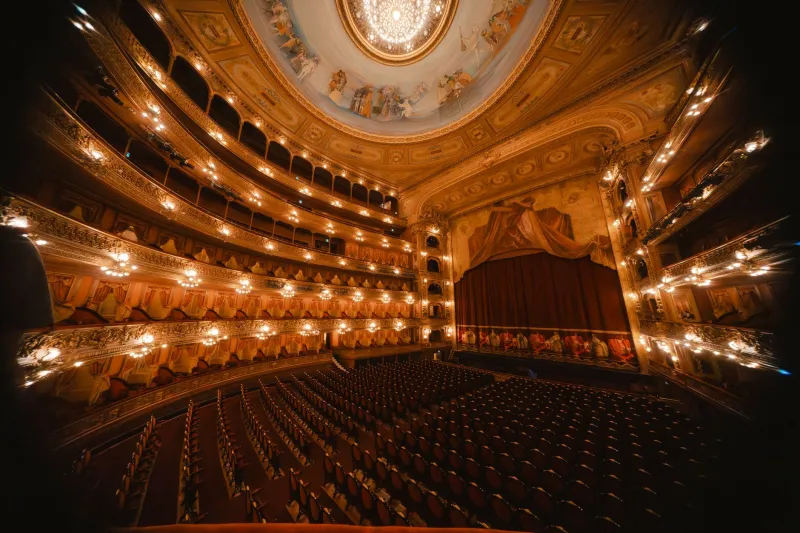
There was a time, not so long ago in the grand sweep of theatrical history, when the most coveted position in any performance hall was not the front row of the orchestra section but the elevated, velvet-draped box that jutted from the mezzanine wall like a sovereign's balcony. Kings and industrialists alike surveyed the stage from these intimate sanctuaries, attended by staff who anticipated every desire before it was spoken aloud. That tradition, long dormant in the democratic sprawl of modern American entertainment, is returning—and it is returning with considerable fanfare.
Across the country, from the storied houses of New York to the reimagined performing arts centers of cities like Chicago, Los Angeles, and Nashville, theater operators are investing substantially in what the hospitality industry now calls the "ultra-premium experience." The phrase may lack the poetry of its historical antecedents, but the ambition behind it is unmistakably regal.
The Architecture of Exclusivity
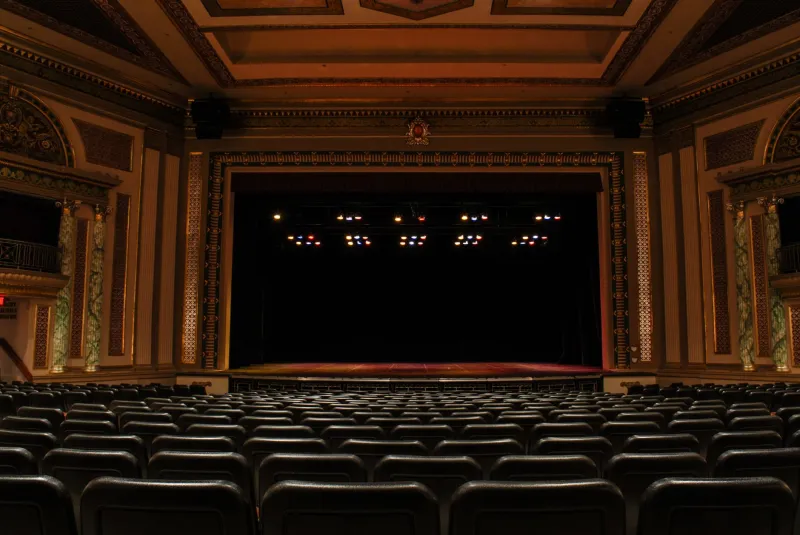
At the heart of this revival is a fundamental reimagining of what it means to attend a theatrical performance. For the majority of the twentieth century, American venues standardized the experience—every patron received a seat, a program, and a view of the stage. Distinctions existed, of course, but they were largely matters of sightline and proximity rather than service. Today's premium offerings are architecturally distinct.
Several venues have undertaken significant renovations to restore or construct private box seating areas that were either removed during mid-century modernizations or never built in the first place. These spaces typically feature four to eight plush seats arranged behind a low balustrade, with enough separation from neighboring sections to create a genuine sense of seclusion. Some include small anteroom areas where guests may receive pre-show champagne service or review the evening's program notes with a dedicated host.
The Lyric Opera of Chicago, for instance, has long maintained a tradition of box seating that draws patrons who regard the experience as inseparable from the performance itself. More recently, newer venues have taken cues from the luxury hospitality sector, incorporating design elements—custom millwork, ambient lighting, temperature controls—that would not be out of place in a five-star hotel suite.
The Economics of the Imperial Seat
For theater operators navigating the persistent financial pressures of live performance in a streaming-saturated world, premium seating represents more than a nostalgic gesture. It is, increasingly, a revenue strategy with measurable returns.
Industry observers note that a single private box, priced between $1,500 and $5,000 per evening depending on the production and venue, can generate more income in one night than a dozen standard orchestra seats. When bundled with pre-show dining, priority parking, and access to members-only lounges, these packages begin to approach the economics of luxury hospitality rather than traditional ticket sales.
"The patron who books a private box is not simply purchasing a seat," explained one venue director at a mid-sized regional theater in the Southeast who spoke on background. "They are purchasing an evening—a curated, uninterrupted sequence of experiences that begins the moment they arrive and concludes when their car is brought around after the curtain call."
This shift in framing—from ticket to experience—mirrors broader trends in premium consumer culture, where affluent Americans increasingly prioritize access and personalization over material acquisition.
What Modern Patrons Demand
The expectations of today's VIP theater patron are, in certain respects, more demanding than those of their historical counterparts. A nineteenth-century aristocrat expected comfort and deference. The contemporary premium audience member expects all of that, plus seamless technology integration, dietary accommodations, and the kind of frictionless service that elite hospitality brands have spent decades perfecting.
Pre-show lounges have become a particularly important battleground for theaters seeking to distinguish their premium offerings. At Lincoln Center in New York, private event spaces adjacent to performance halls allow donors and premium ticket holders to gather before curtain in an atmosphere that bears little resemblance to the general lobby. Curated food and beverage programs, sometimes developed in partnership with notable local restaurateurs, have replaced the standard intermission wine-in-a-plastic-cup that once defined even the most prestigious evenings out.
Concierge services have also expanded significantly. Several Broadway houses now offer dedicated ticket liaisons who assist premium patrons with everything from seat selection to post-show dinner reservations at nearby restaurants. Some venues have introduced digital concierge applications that allow box holders to request services—additional programs, specific beverages, even assistance with coat check—without leaving their seats.
The Question of Access and Aspiration
Not everyone regards this development with uncomplicated enthusiasm. Some within the theater community have raised thoughtful questions about the implications of stratifying the audience experience to such a pronounced degree. Theater, in its most idealistic formulation, has always been a communal art form—a shared encounter between performers and a gathered public.
Yet proponents of the premium model argue that the revenue generated by these elite offerings directly subsidizes more accessible programming. Many venues that have introduced luxury tiers have simultaneously expanded their community outreach initiatives, student matinee programs, and discounted ticket schemes. The logic, familiar from the airline industry's class-based economics, holds that those who pay handsomely at the front of the cabin make it possible for others to travel at all.
There is also the matter of aspiration. The visibility of a beautifully appointed box seat—glimpsed from the orchestra level, perhaps occupied by a locally prominent family—carries a certain theatrical quality of its own. It reminds those in the house that the evening they are attending is, by any measure, a grand occasion.
A Regal Future for the American Stage
The resurgence of the premium theatrical experience speaks to something deeper than revenue optimization or nostalgia for gilded-age grandeur. It reflects a genuine hunger, among a certain segment of the American public, for occasions that feel genuinely elevated—for evenings that carry the weight of ceremony and the texture of luxury.
As performing arts organizations continue to compete for the discretionary time and spending of affluent audiences, the imperial box seat—modernized, personalized, and impeccably staffed—may prove to be one of the theater's most persuasive arguments for its own continued relevance. In an age when any performance can be streamed on a handheld device, the ability to offer something irreproducibly magnificent remains the stage's most sovereign advantage.