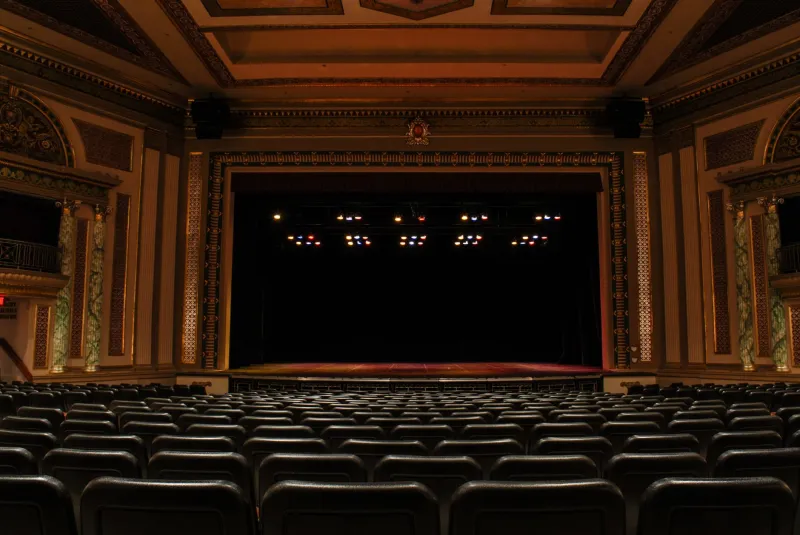
Velvet Ropes and Standing Ovations: The New Era of Luxury Theater in America
For generations, attending the theater meant arriving at the appointed hour, locating one's row, and settling in for the performance. The experience, however transcendent on stage, remained largely uniform in the house. A ticket was a ticket. Yet something has shifted — quietly at first, then with unmistakable momentum — along the corridors of Broadway and in the grand venues scattered across America's cultural capitals. The theater, it seems, has discovered the art of the royal welcome.
A New Standard of Theatrical Hospitality
The transformation is not accidental. Producers and venue operators, responding to the expectations of a growing cohort of affluent theatergoers, have begun investing heavily in what the industry now calls the "premium experience" — a layered approach to hospitality that surrounds the performance itself with the comforts and exclusivity more commonly associated with five-star hotels or private members' clubs.
At several of Broadway's most storied houses, this means dedicated VIP entrances that bypass the general queue entirely. It means pre-show receptions in private salons where guests are greeted with curated cocktail menus and canapés prepared by notable culinary talent. It means programs printed on heavier stock, presented by white-gloved attendants, and occasionally signed in advance by the production's principal cast.
"The performance has always been the crown jewel," notes one luxury hospitality consultant who has worked with multiple Broadway producers on premium tier development. "What we are doing now is building the crown itself — the setting that makes the jewel shine even brighter."
Champagne Before the Curtain Rises
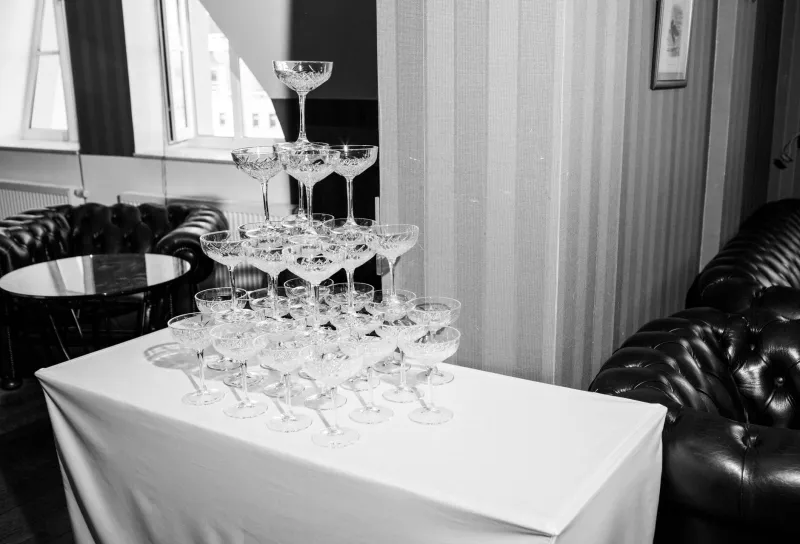
Perhaps no element of the luxury theater movement has captured the imagination quite like the pre-show champagne lounge. Several Broadway productions running in recent seasons have incorporated dedicated hospitality spaces — some purpose-built, others carved from underutilized backstage or mezzanine areas — where premium ticketholders gather in the forty-five minutes before curtain.
These are not mere bars with longer lines. They are curated environments: softer lighting, plush seating, and staff trained to anticipate rather than simply respond. Producers have partnered with French champagne houses and American craft spirits labels alike to create exclusive pours available nowhere else in the building. The effect is deliberate — an arrival experience that signals to the guest that they have entered a world set apart.
High-end ticket brokers, whose clientele increasingly includes corporate entertainment buyers and international visitors for whom New York theater is a prestige destination, report that these amenity packages have become a significant driver of premium pricing. "The show itself sells itself," one broker remarked. "What we are selling alongside it is the feeling of being received — not merely admitted."
Reserved Balconies and the Return of the Royal Box
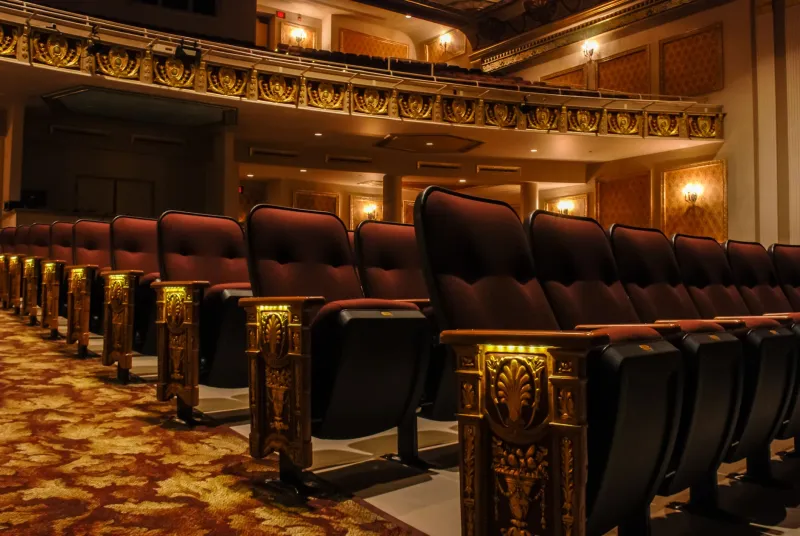
Beyond the lounge, the physical theater space itself is being reimagined for those who desire both proximity to excellence and separation from the crowd. Several productions have introduced reserved balcony sections — effectively modern interpretations of the historic royal box — where smaller parties enjoy unobstructed sightlines, dedicated wait service during intermission, and in some cases, private access to a separate restroom corridor.
The historical resonance is not lost on those who have followed theater architecture. The royal box, a fixture of European opera houses and grand theaters for centuries, was always an architectural declaration: that certain guests merited a space both within the performance and slightly above it. Its contemporary American revival carries the same underlying logic, updated for a culture that prefers the language of hospitality to that of hierarchy.
Concierge services have also entered the theater in a meaningful way. Premium package holders at select productions can now arrange for pre-ordered intermission refreshments delivered to their seats, post-show meet-and-greet access with cast members, and even bespoke transportation coordination — car services timed to the final curtain, with drivers briefed on the evening's program.
The Producers Behind the Pageantry
Not everyone in the industry regards this evolution with unqualified enthusiasm. Some producers and artistic directors express concern that an overemphasis on peripheral luxury risks drawing attention away from the irreplaceable core of the theater experience: the live performance itself. The worry, stated plainly, is that the trappings might begin to overshadow the art.
Yet the producers most actively developing premium tiers tend to speak about the relationship between hospitality and artistry in more integrative terms. When a guest arrives unhurried, well-received, and settled into genuine comfort, the argument goes, their capacity for absorption and emotional engagement with the performance actually deepens. The royal treatment, in this view, is not a distraction from the theatrical experience — it is an amplification of it.
"We want our guests to walk into that house already transported," said one producer whose recent Broadway run incorporated an elaborate pre-show dining experience in partnership with a Michelin-recognized restaurant group. "By the time the lights go down, they are already somewhere else. The performance simply continues the journey."
What This Means for the Future of Broadway
The luxury theater movement raises questions that extend well beyond champagne selections and concierge staffing. As premium tiers become more elaborate and more profitable, producers face the challenge of ensuring that the broader theatergoing public — the students, the first-time visitors, the passionate regulars who occupy the orchestra and the rear mezzanine — still feel that the theater belongs to them.
The most thoughtful operators seem aware of this tension. Several have used revenue generated by premium packages to subsidize student matinee programs, community outreach initiatives, and reduced-price ticket lotteries. The crown, in other words, is being worn in service of the entire kingdom.
What is beyond dispute is that the appetite for elevated theater experiences is real, growing, and reshaping the economics of live performance in America. For those who have always believed that a great night at the theater should feel like a royal occasion, the industry appears, at last, to agree.